ÖGNI Logo
More Life 2 Levels Logo

More LIFE 2 Level(s)

Evaluation of the Level(s) framework on selected real objects.

Second Meeting in Copenhagen

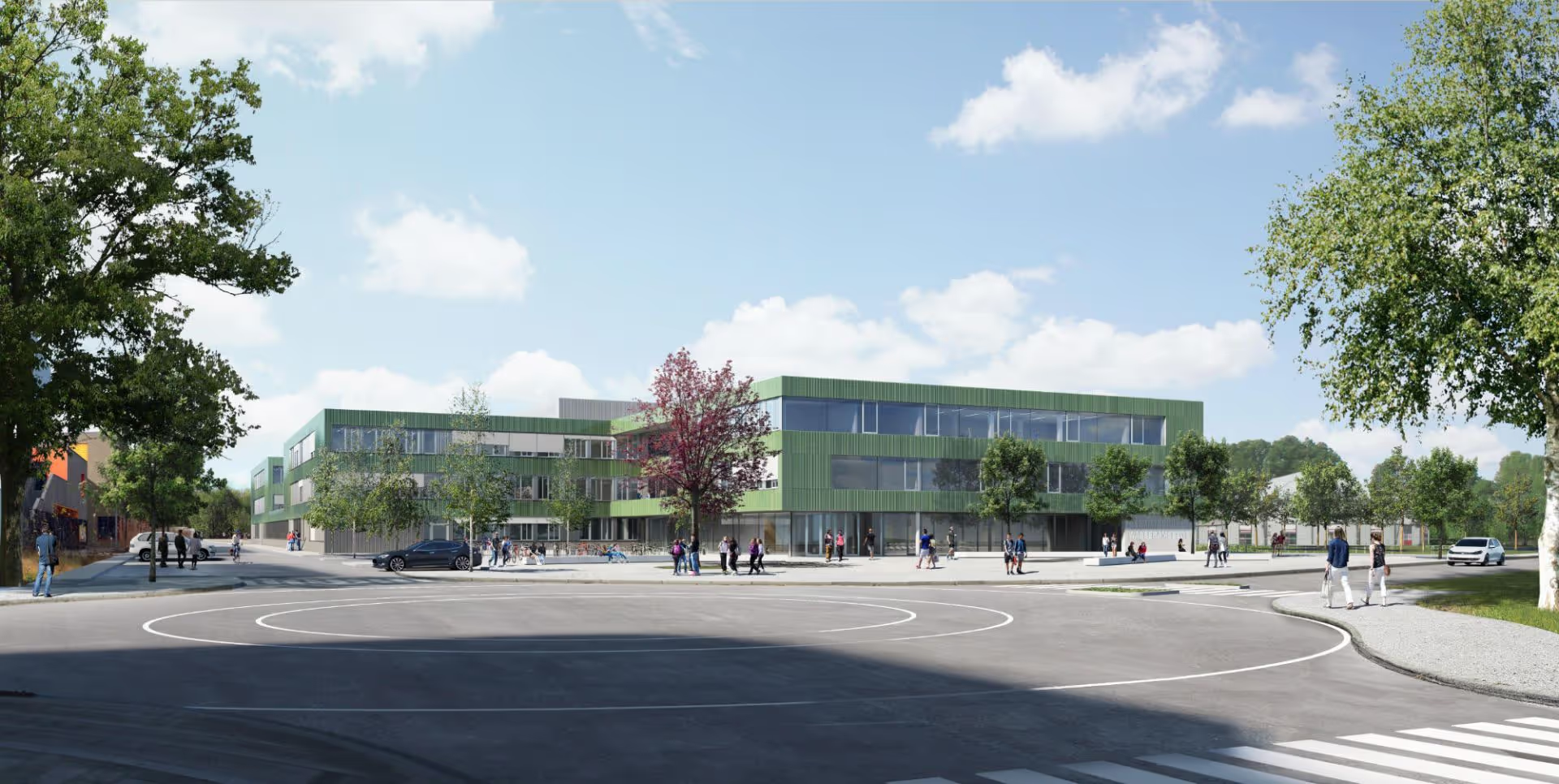
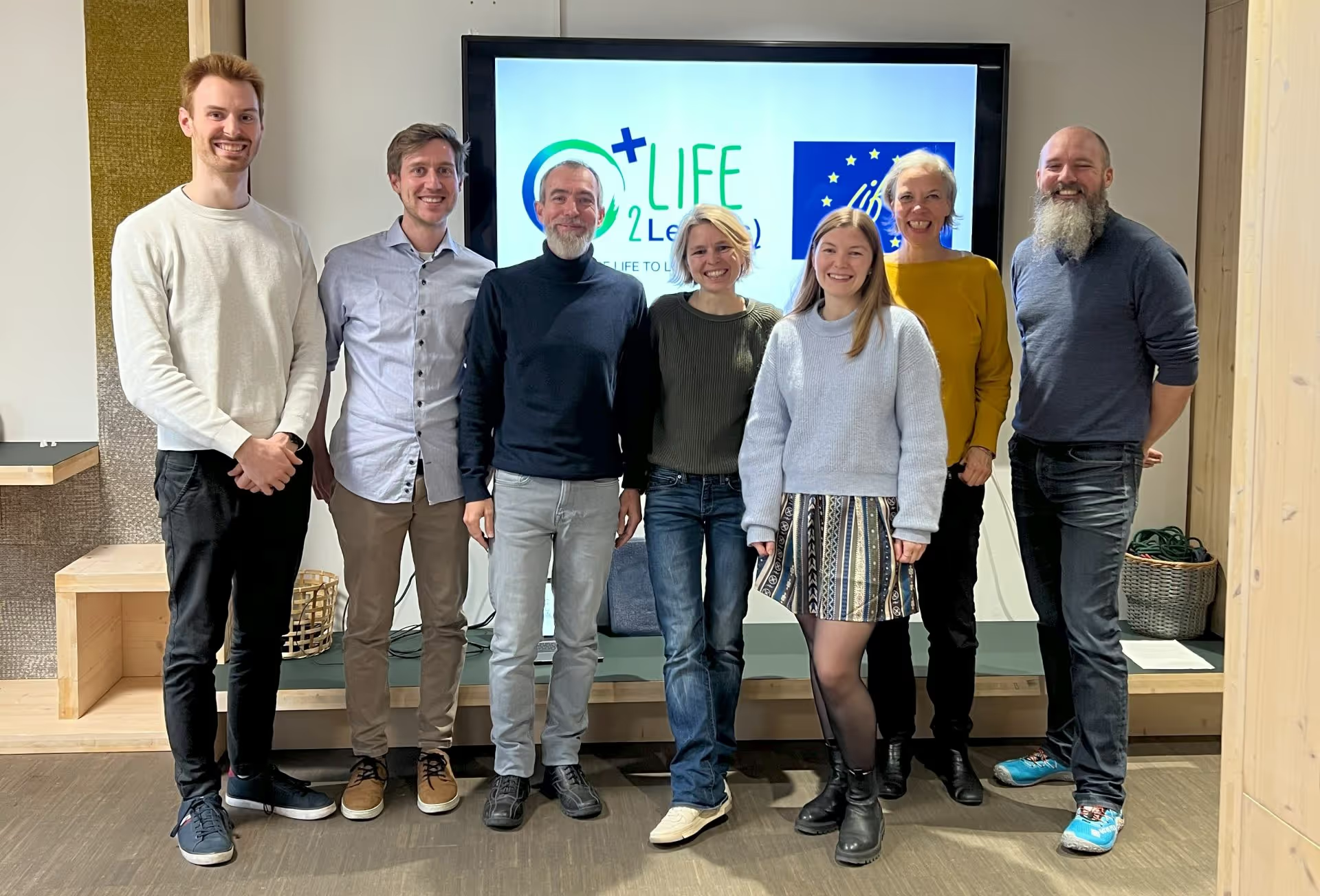
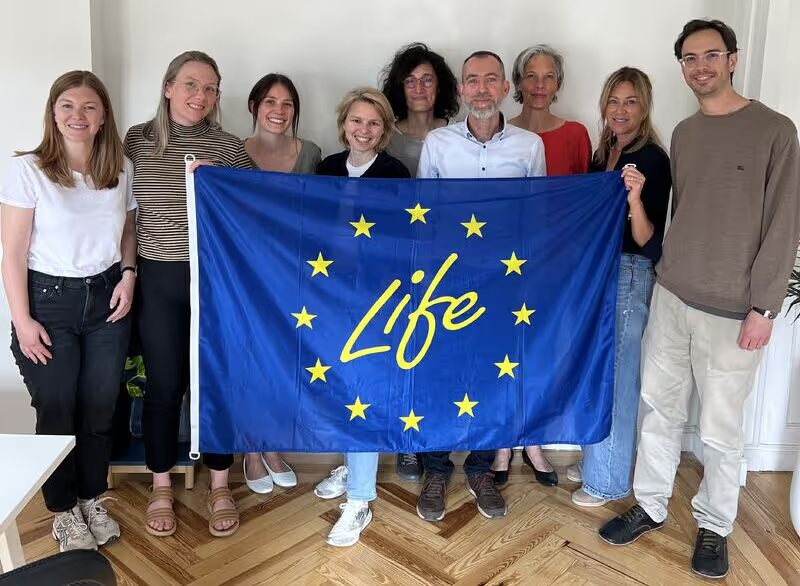
Our More LIFE to Level(s) team gathered in Copenhagen for valuable discussions, exchanging ideas to further the LEVEL(s) framework. A highlight was the guided tour through the city, showcasing innovative projects and numerous green-certified buildings — a true testament to sustainable urban development. A big thank you to GBC Denmark (Rådet for Bæredygtigt Byggeri) for making this valuable exchange possible. We’re eager to build on these insights and keep pushing the boundaries of sustainability.

02.12.2024

First Meeting in Madrid

Four Green Building Councils (Green Building Council España (GBCe (Project Coordination), Green Building Council Denmark (DK-GBC), Deutsche Gesellschaft für Nachhaltiges Bauen (DGNB) and Österreichische Gesellschaft für Nachhaltige Immobilienwirtschaft (ÖGNI) have been selected from the EU and given the task to further publicize the Level(s) framework in the construction industry across Europe.

+ Mehr lesen

Over the next four years, the system will be applied to various construction projects in order to be able to make recommendations on how the Level(s) indicators can be integrated into project planning throughout Europe in order to make it easier for stakeholders to use Level(s). This year we met for the kick-off meeting in Madrid, not only to meet in person, but also to get to know some of the interesting projects participating in the study and to discuss the measures for achieving the project results.

22.01.2024

The project and its objectives

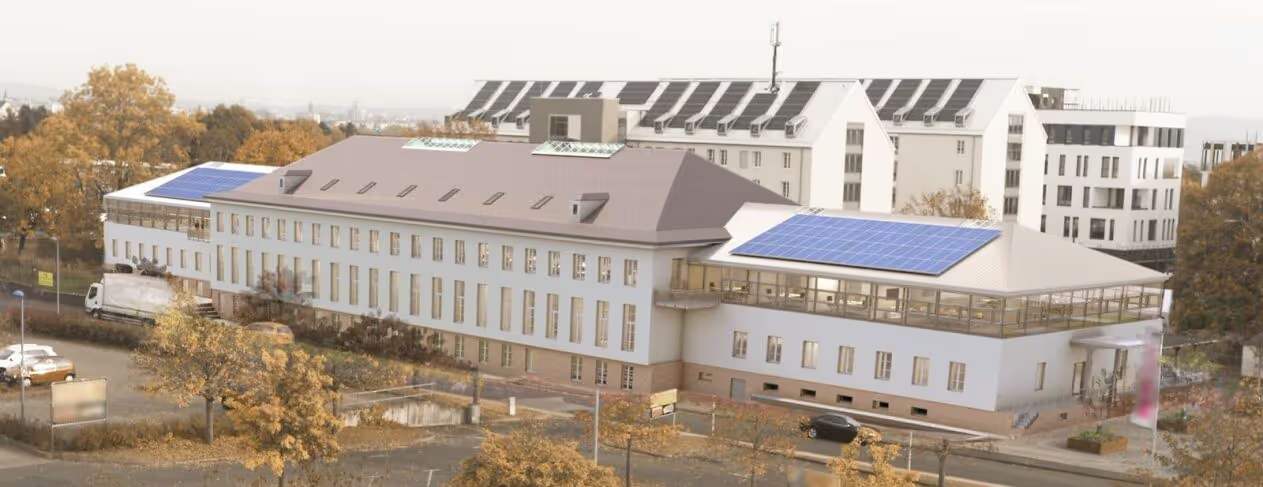
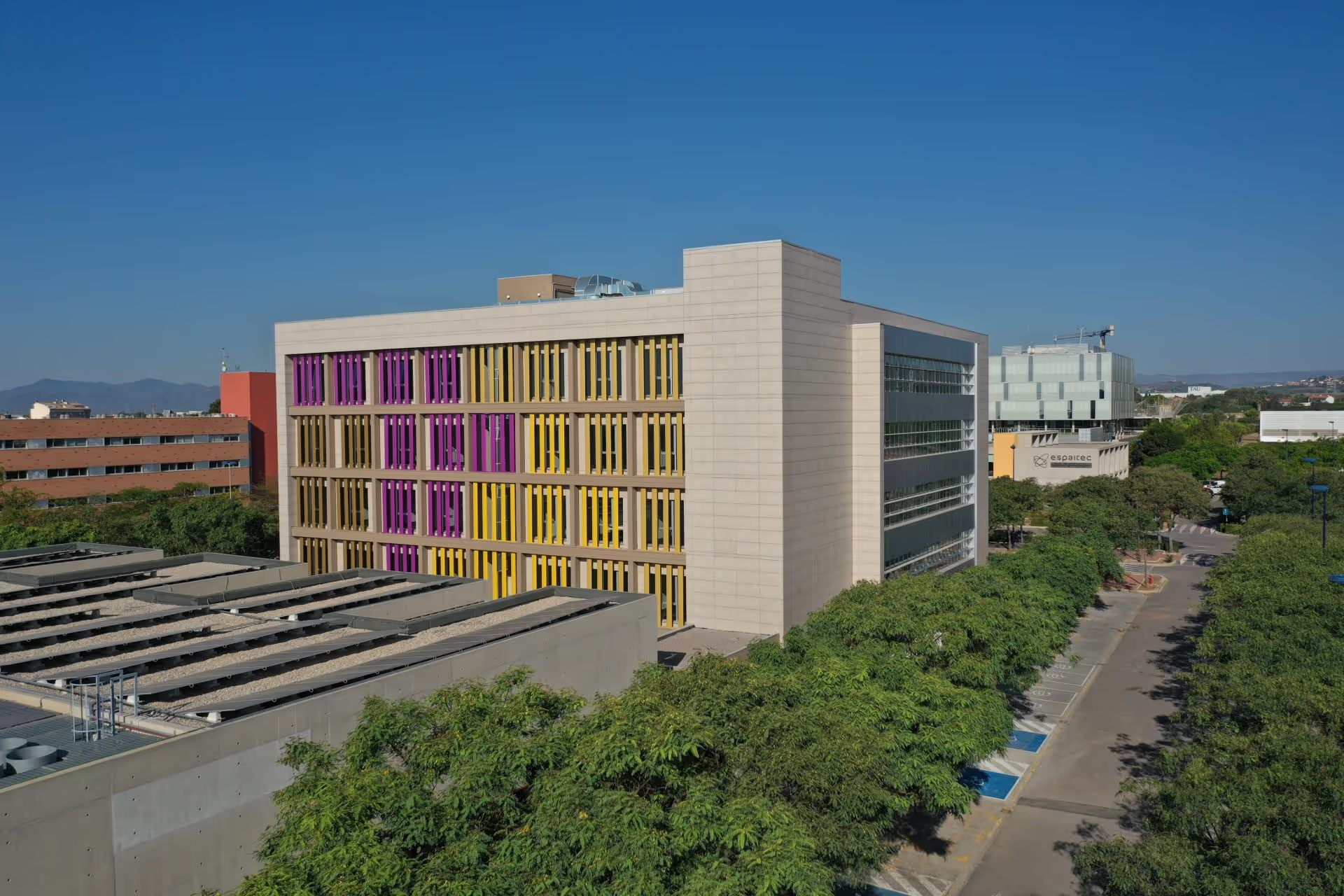
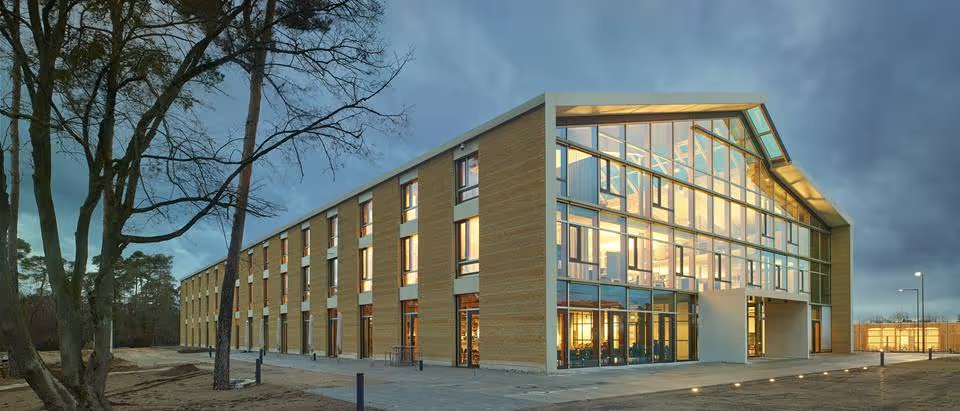
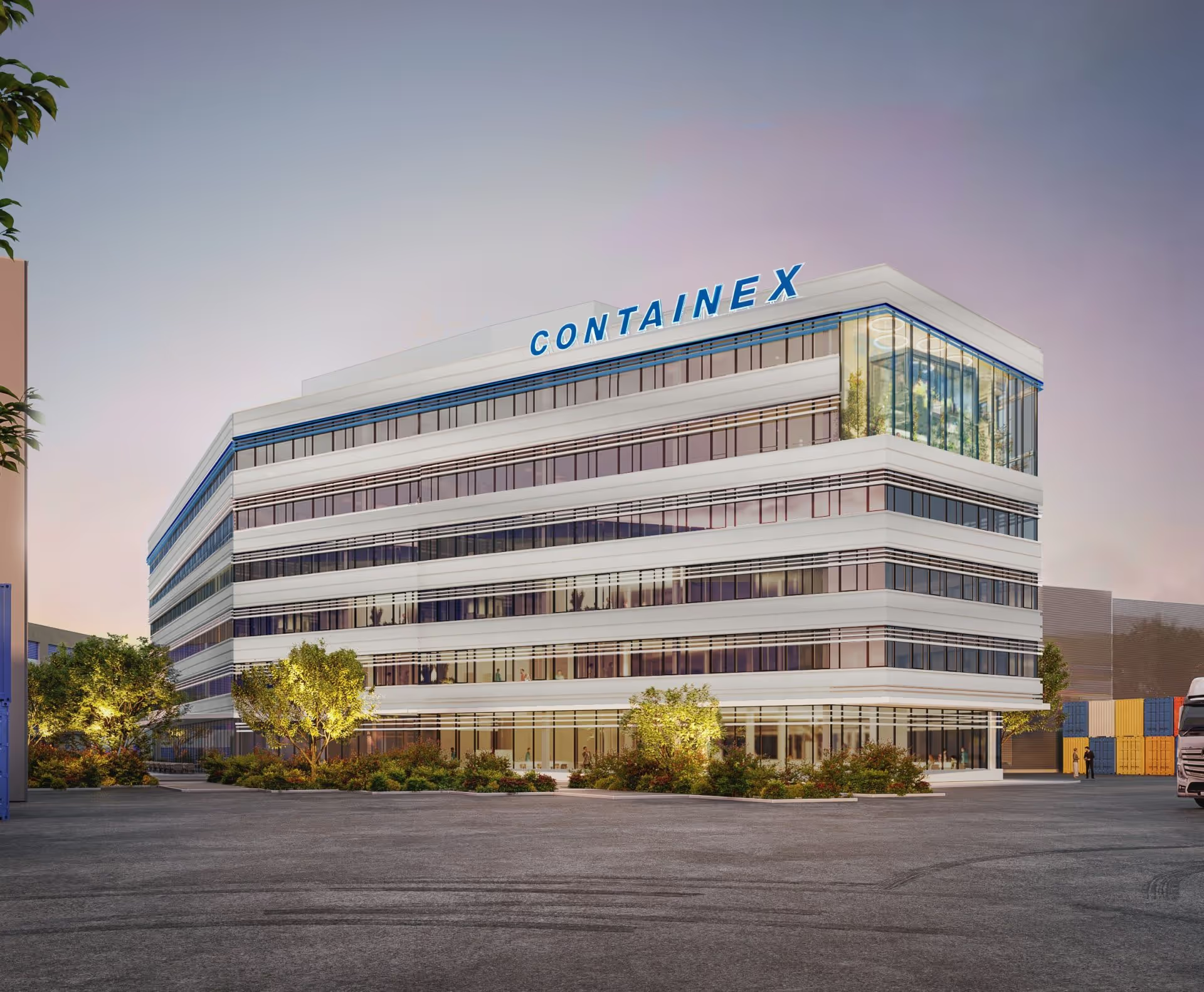
More LIFE 2 Level(s) is a project, funded by the EU, to gain a rigorous, harmonised, and thorough understanding of how the Level(s) is applied in different building typologies across Europe.

The objective of More LIFE 2 Level(s) is to learn from the experience of testing in real-life conditions (case studies) a life-cycle approach to the sustainability of at least 10 European buildings, by applying the Level(s) Framework.

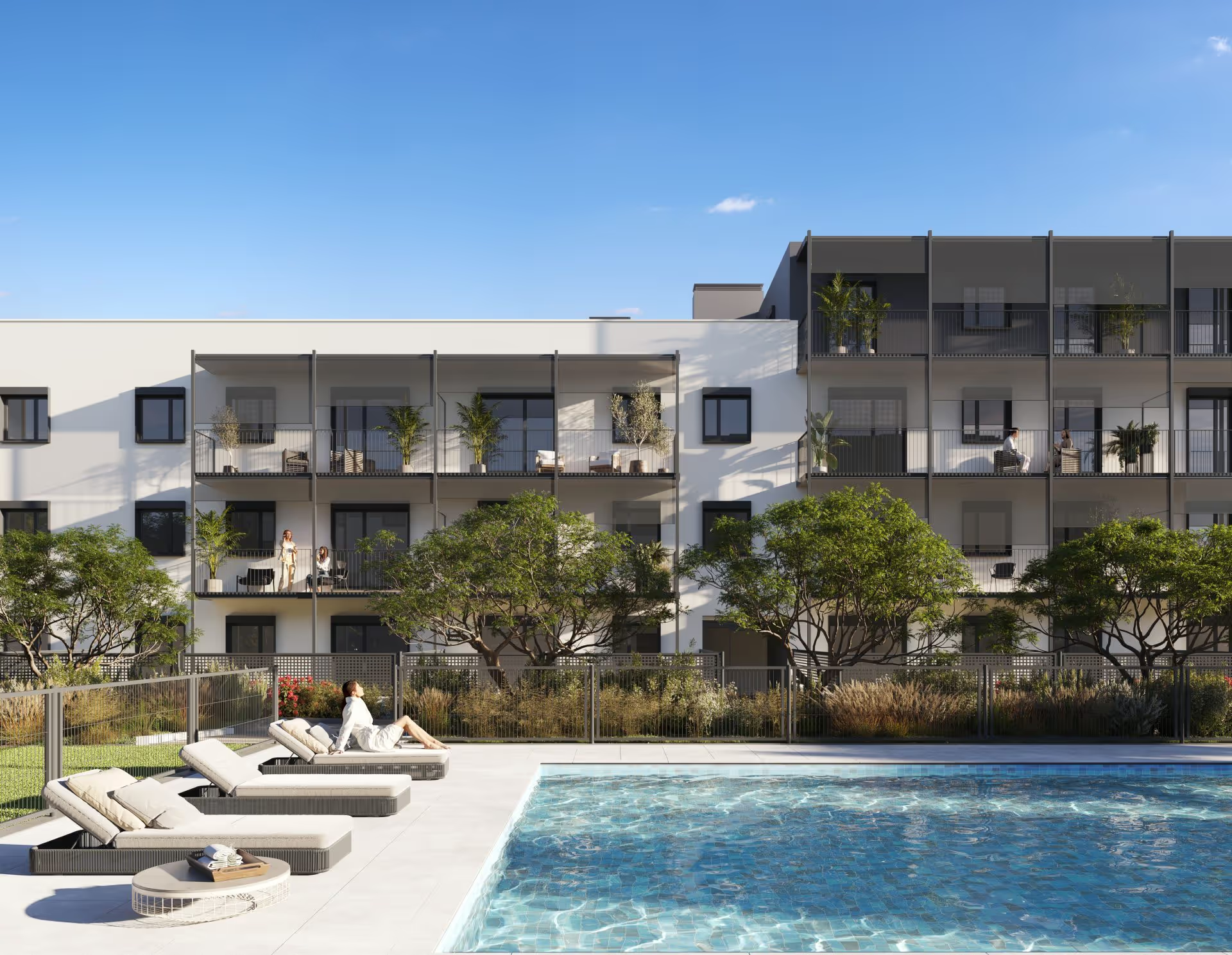
The information, data and learnings extracted from the application of the Level(s) indicators in the 11 european case studies will help to provide best practise cases and hopefully accelerate using Level(s) for further projects in the real estate field around the world.

Please find the website of the LIFE Programme: here
LIFE Flagge

Partners of the Project More LIFE 2 Level(s)

4 Green Building Councils (GBCs), already using DGNB System and the VERDE certification scheme, partner up to cover different regional and cultural approaches to building sustainably. These are the following:

Together they provide a wide pool of projects, typologies, stakeholders, building cultures, climate regions, public procurement practices, expert auditors, and market experience.

Duration of the Project More LIFE 2 Level(s)

Start Date:
May 15th, 2023
End Date:
May 14th, 2027

Certification Systems and Level(s)

The More LIFE 2 Level(s) project takes advantage of the DGNB-System and VERDE Certification System (GBCe Environmental Certificate), both of which are already Level(s)-compliant.

Both, DGNB- and Verde System have been the first two certification systems whichadapted to include the Level(s) indicators as well as other European reference strategies for sustainability, such as the Taxonomy Regulation.

In the European context, The DGNB-System is one of the most widespread GBRS. The certification has also been adapted to other countries such as Denmark, Spain, Croatia and others. In total, since 2009, more than 8.869 buildings / or new building / renovation construction projects have been certified according to DGNB (status 06/2022) in 18 different European countries and 114 buildings with VERDE in Spain.

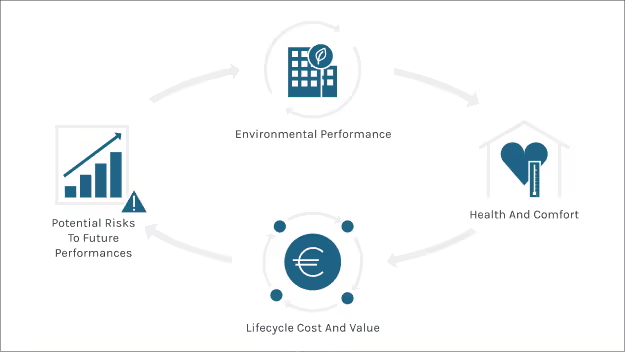
Level(s) is a voluntary reporting framework providing a common language for assessing and reporting on sustainability performance of buildings. It aims to promote life cycle thinking. It can be used to report on and improve the performance of a new build and major renovations projects.

Infografik

Overall, Level(s) provides a set of indicators and common metrics for measuring the sustainability performance of buildings along there life cycle, assessing:

  • environmental performance
  • health and comfort
  • life cycle cost and value and
  • potential risks to future performance

These GBRS share with Level(s) two common goals: to build sustainably and to foster resilient buildings and societies. Sustainability, resilience, and circularity metrics of buildings are constantly pushed to better performance benchmarks and quality reporting protocols.

While GBRS are offered to assess, rate, and certify competitive and complex sustainability targets with immediate marketing exploitability, the Level(s) Framework offers so far, a more condensed reporting toolkit with direct usability to assess other European strategies for a green transition (i.e: EU-Taxonomy, Energy Performance Building Directive, European Climate Law, …) By joining forces, GBRS and Level(s) can accelerate the accomplishment of sustainability, resilience, and circularity in buildings, as well as reach difficult stakeholders such as the society and the public bodies, who would then become better equipped and more eager hence to a seamless integration of the Level(s) Framework.

Who can make use of it

The Levels common framework has been designed with three main project actors in mind:

architects, engineers, specialist consultants

clients and investors, including property owners, developers, managers

policy makers and procures, at national, regional or local level

Project design teams

(include project managers, architects, engineers and quantity surveyors)

Check Icon
It provides a simple structure that can be presented to clients in order to prioritise attention on sustainability aspects.
Check Icon
It supports the user at each stage in a project, with guidance notes on how to make accurate performance assessments.
Check Icon
It has a focus on the performance of the complete building, and the steps to be taken at design stage to ensure high performance.
Check Icon
It provides flexibility in the level of detail at which sustainability aspects can be addressed in the design process.

Clients and Investors

(including property owners, developers and investors)

Check Icon
It provides a clear set of priority aspects of performance to focus attention on, forming a basis for instructing design professionals.
Check Icon
It ensures transparency in the reporting of performance assessment, and the associated data, calculation methods and assumptions.
Check Icon
It focusses on minimising the gap between design and occupied performance.
Check Icon
It identifies how the costs and risks associated with a building’s performance can be future proofed and managed to deliver long-term value.
Check Icon
It provides tools to identify opportunities to extend the lifespan, improve the internal environmental quality and enhance the long term value of building assets.

Public policy makers and procurers

(include project managers, architects, engineers and quantity surveyors)

Check Icon
It provides a clear set of prioritised aspects of performance to focus attention on, together with a standardised basis for setting requirements for new and renovated buildings to meet.
Check Icon
It provides the basis for actions and requirements that can contribute to Member State, regional and local government carbon reduction targets as well as broader sustainability objectives.
Check Icon
It focusses on performance aspects that are of direct ongoing financial interest to public authorities and agencies, such as operating and maintenance costs.
Check Icon
It includes indicators that measure comfort and wellbeing aspects of a building and its internal environment, e.g. indoor air quality, thermal comfort.

Links & Downloads

Green Building Council Person

NOTE
This project has received funding from the European Union´s LIFE program under Grant Agreement No 101104441.

DISCLAIMER
The support of the European Commission for the preparation of this publication does not constitute an endorsement of the contents, which reflects the views only of the authors, and the Commission cannot be held responsible for any use which may be made of the information contained therein.

“Funded by the European Union. Views and opinions expressed are however those of the author(s) only and do not necessarily reflect those of the European Union or CINEA (granting authority) Neither the European Union nor the granting authority can be held responsible for them.”

EU Logo